Description
Teaching high school Anatomy and Physiology this year? Looking for a place to start? These detailed and highly visual Anatomy and Physiology PowerPoint presentations provide content for every human body system as well as 2 introductory units on cells and tissues.
Please note: This PowerPoint Bundle is also part of my Full Anatomy & Physiology Curriculum.
Addresses NGSS HS-LS1-1, HS-LS1-2, HS-LS1-3, HS-LS1-4, HS-LS1-7.
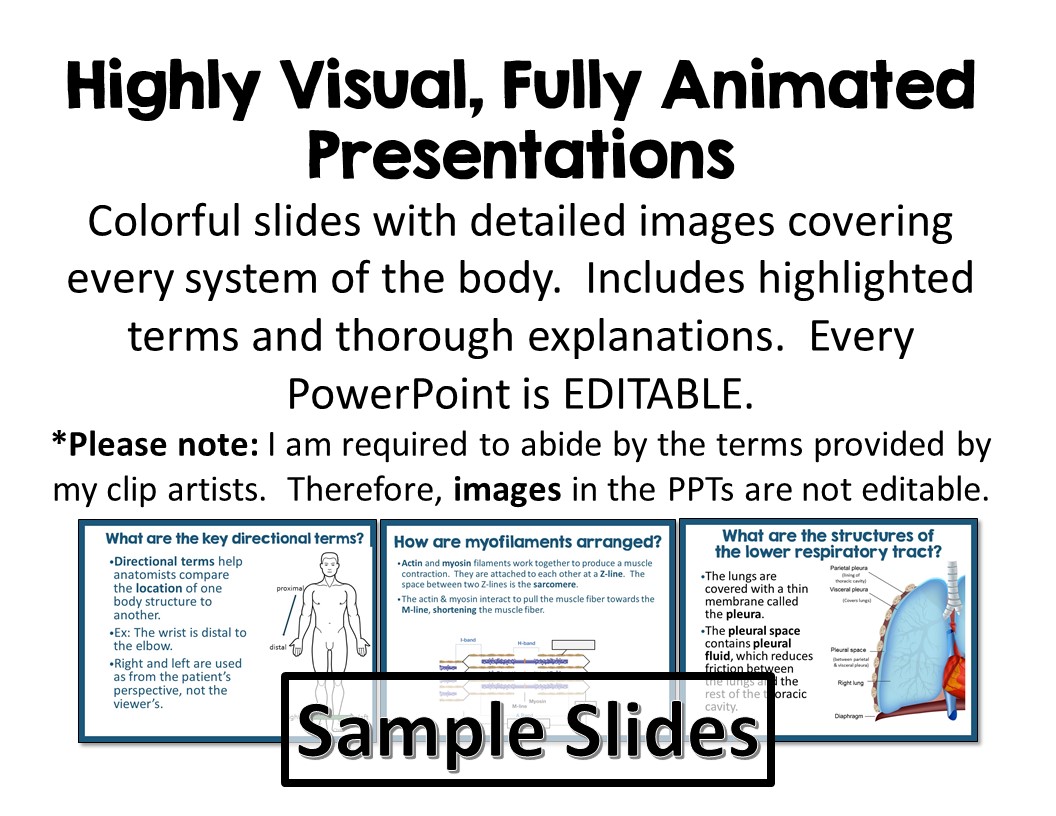
These fully animated, editable PowerPoint presentations are loaded with colorful, detailed illustrations, real photographs, and explanations of the human body systems, their functions, and parts. What a time-saver!
Structures and vocabulary are highlighted for easier comprehension.
Included in this resource:
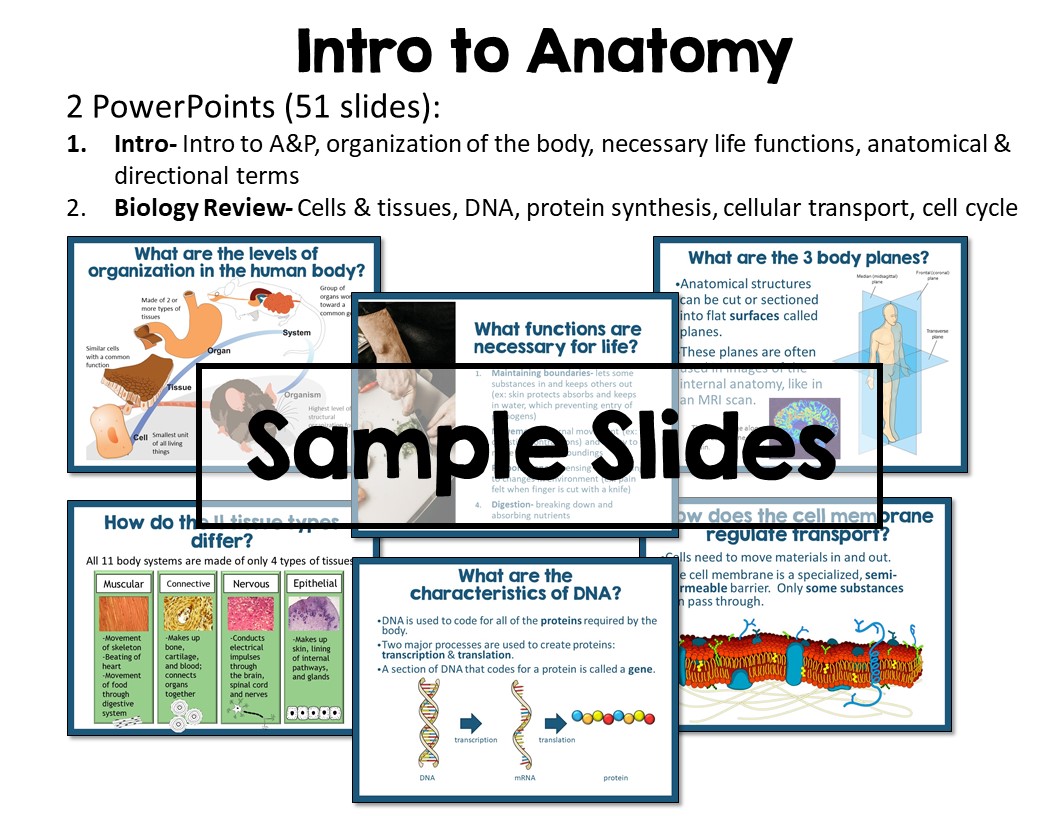
- Intro to Anatomy PPT (51 slides)
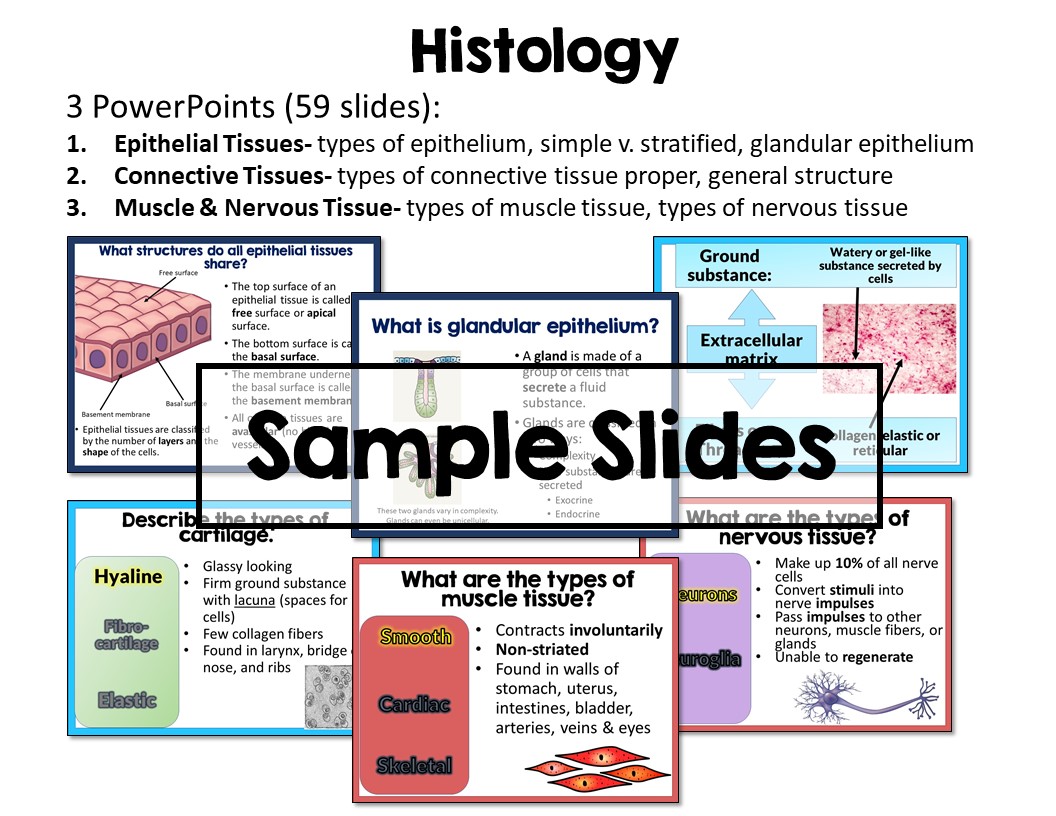
- Histology/Tissues PPT (59 slides)
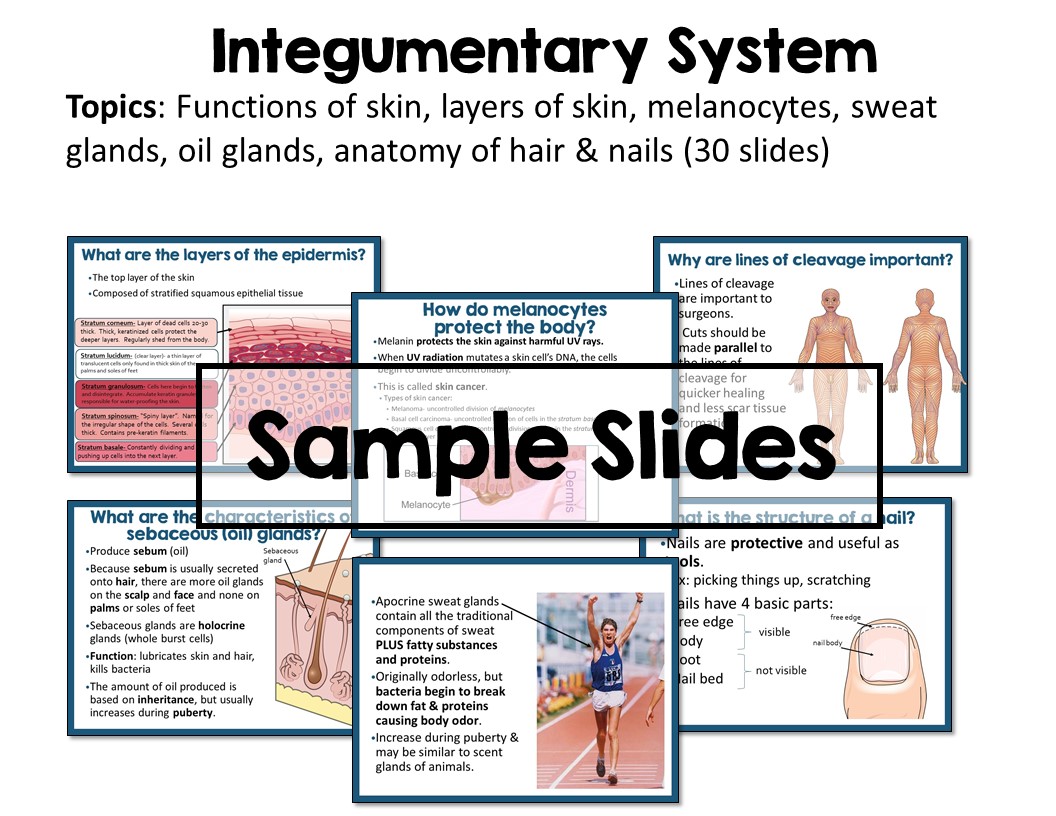
- Integumentary PPT (30 slides)
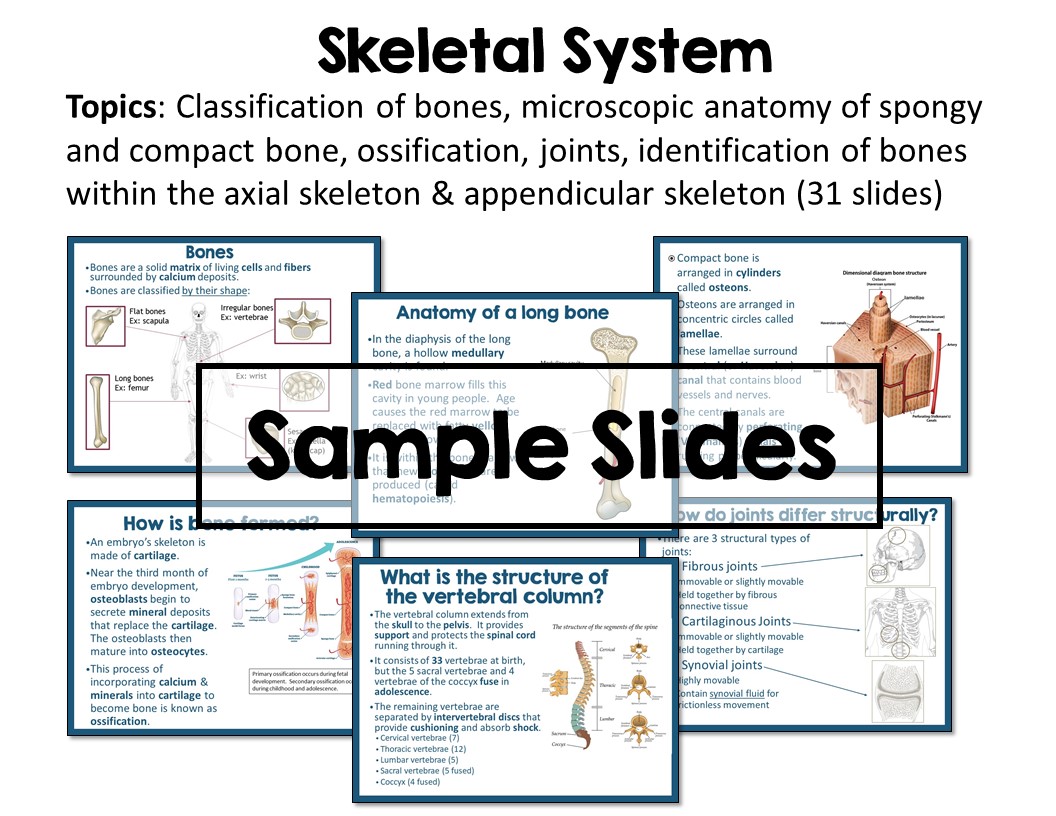
- Skeletal PPT (31 slides)
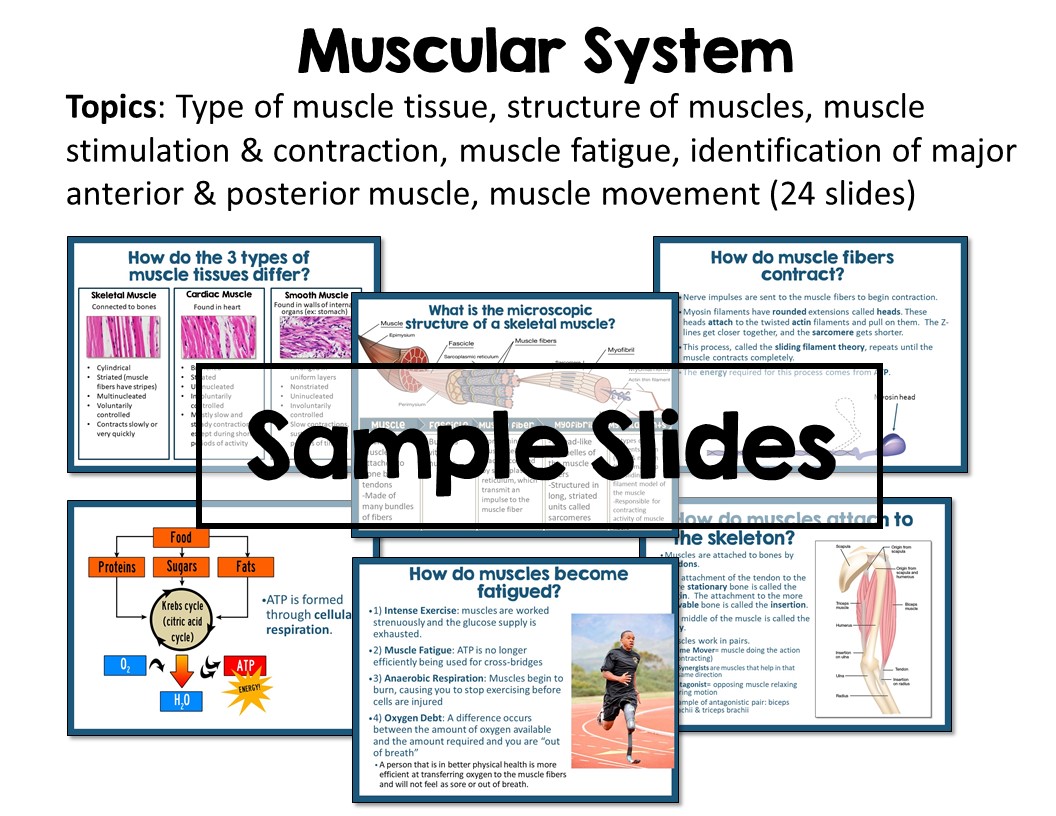
- Muscular PPT (24 slides)
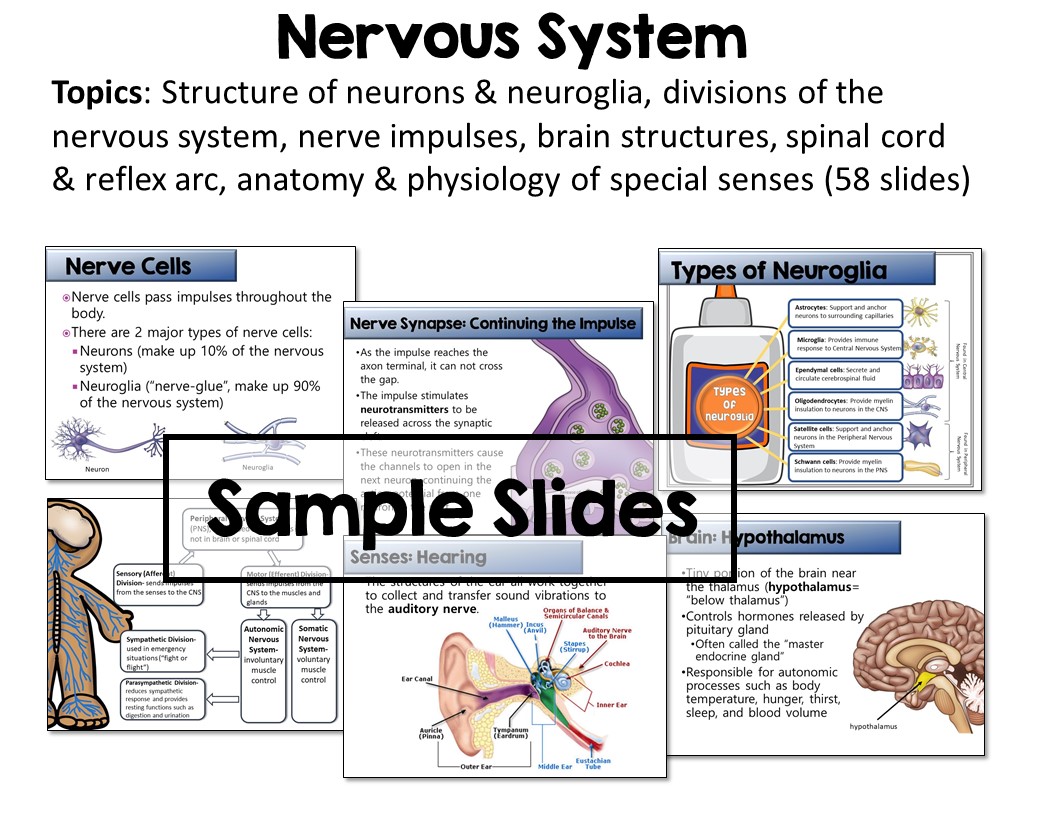
- Nervous PPT (85 slides)
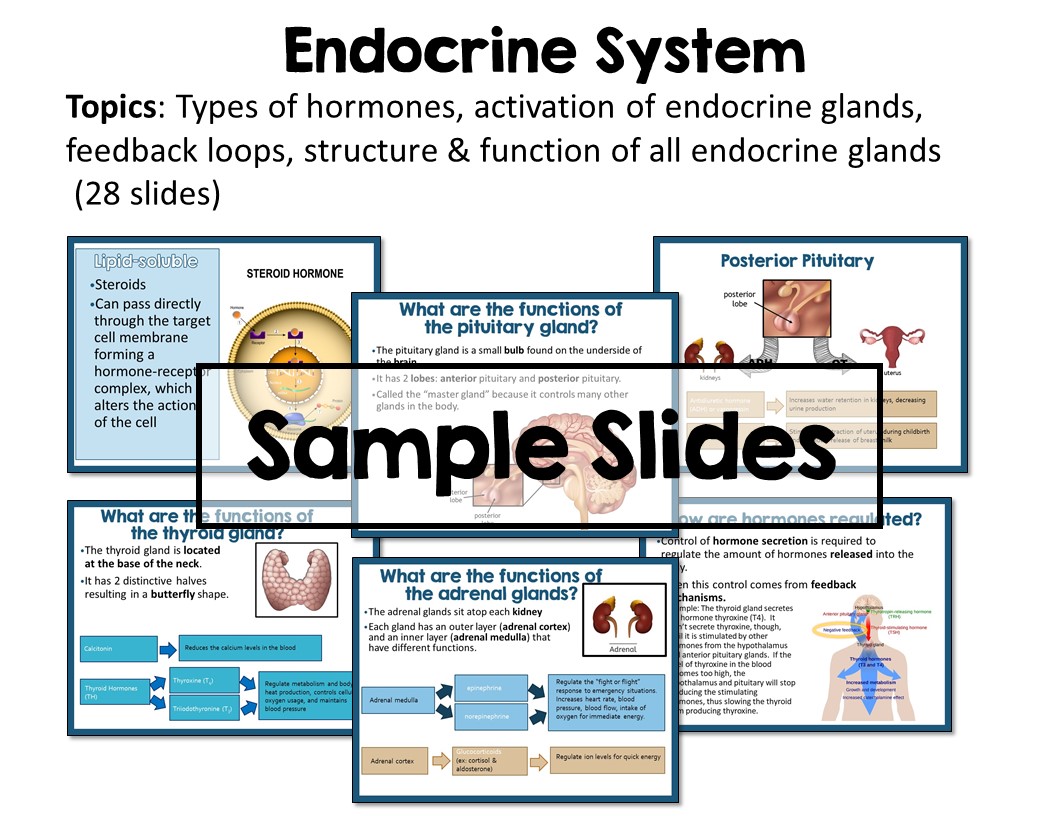
- Endocrine PPT (28 slides)
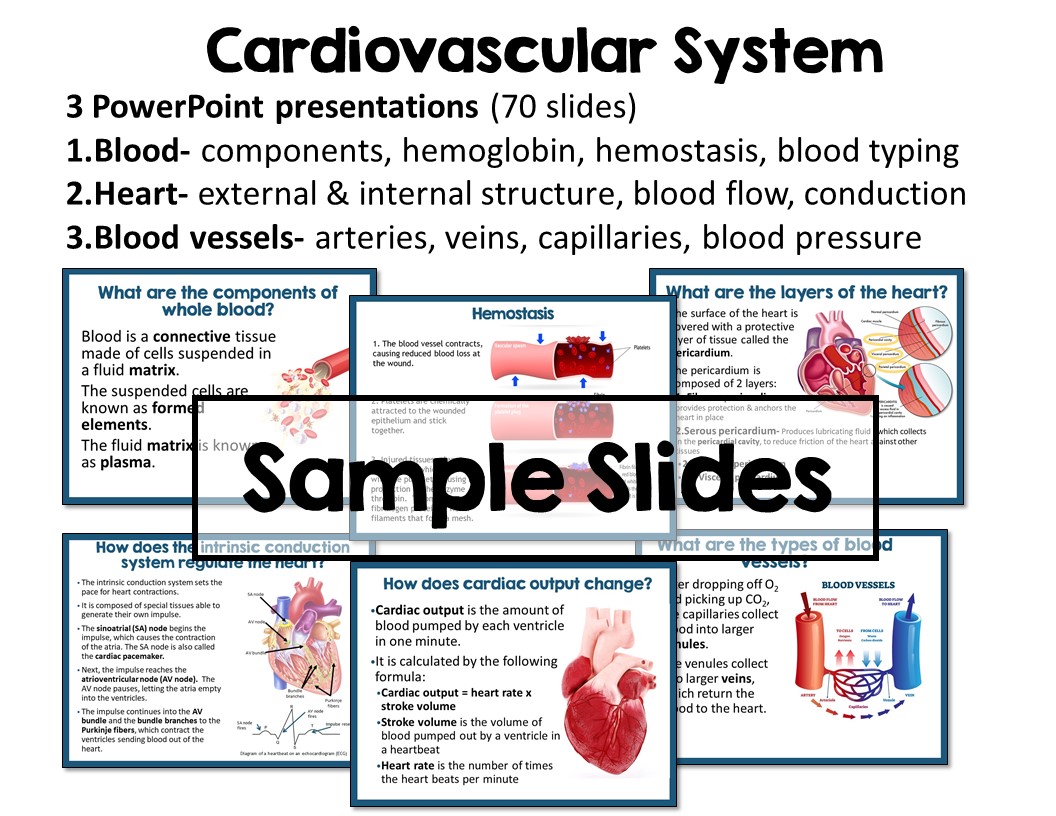
- Cardiovascular PPT (70 slides)
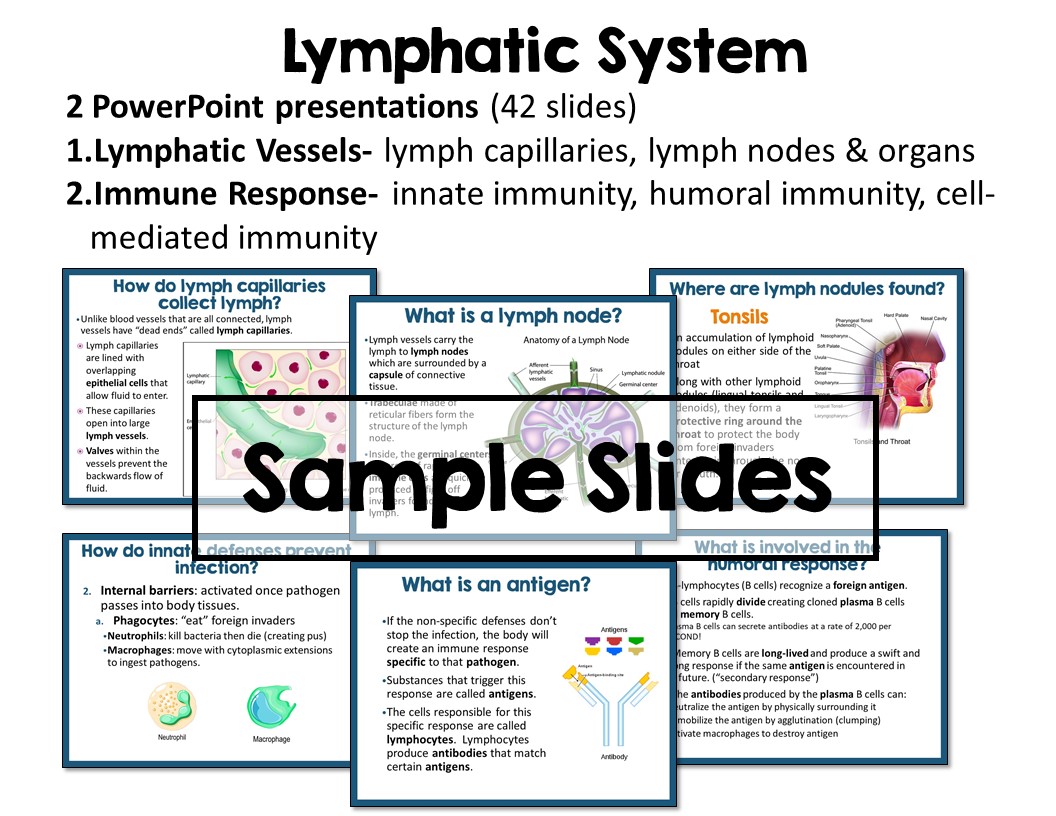
- Lymphatic & Immune PPT (72 slides)
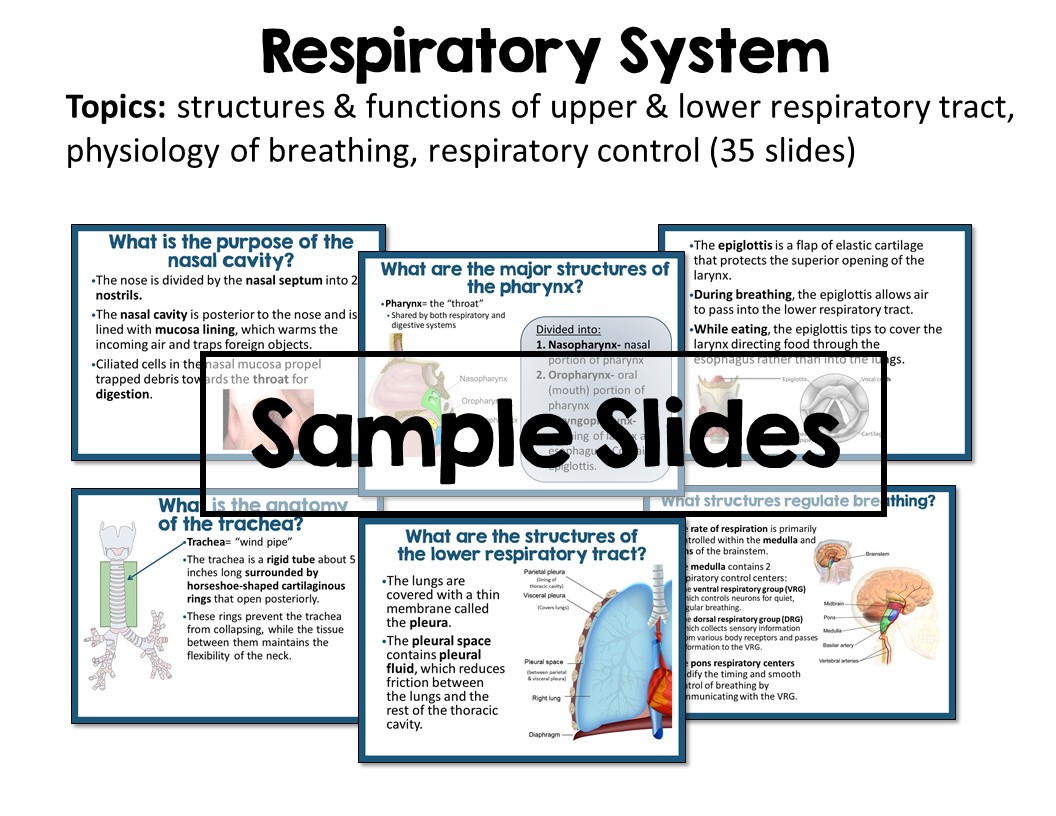
- Respiratory PPT (35 slides)
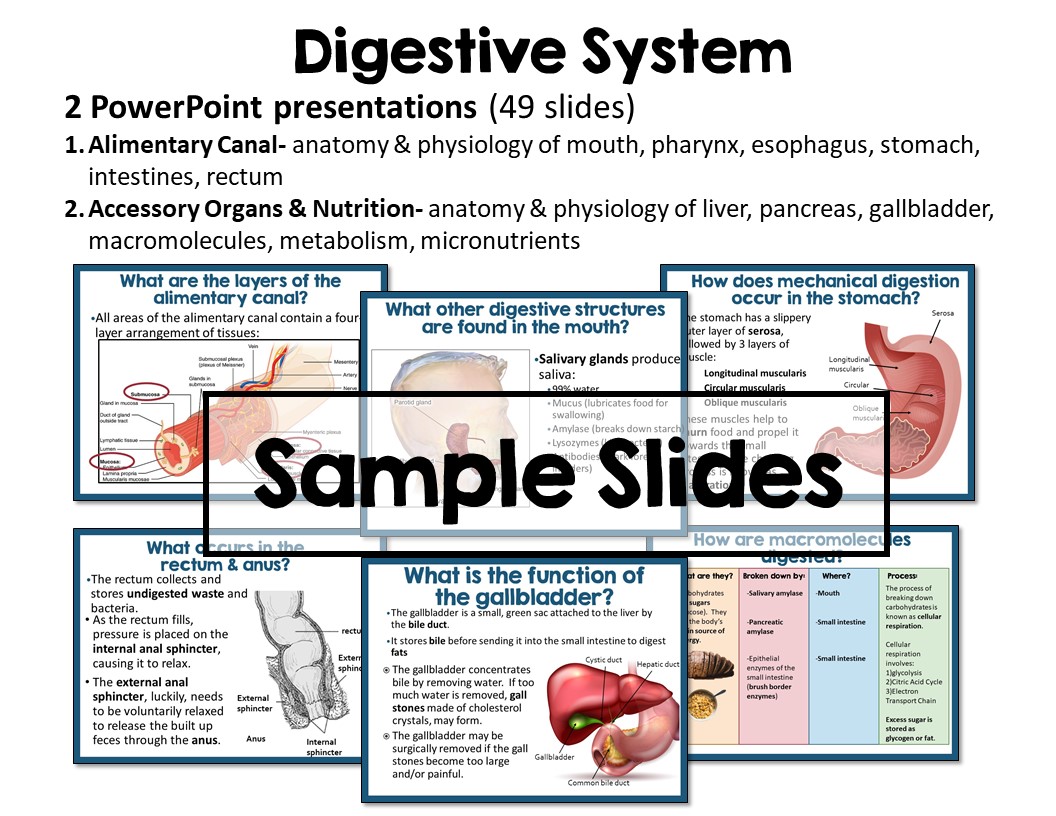
- Digestive PPT (49 slides)
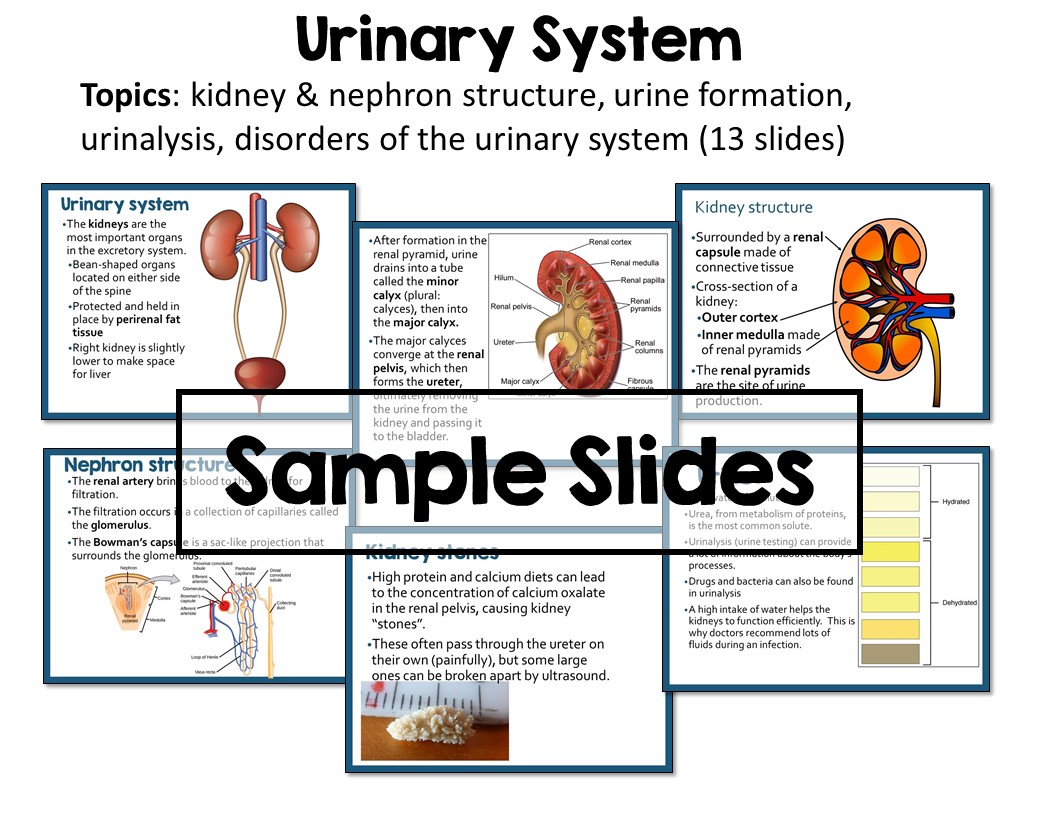
- Urinary PPT (18 slides)
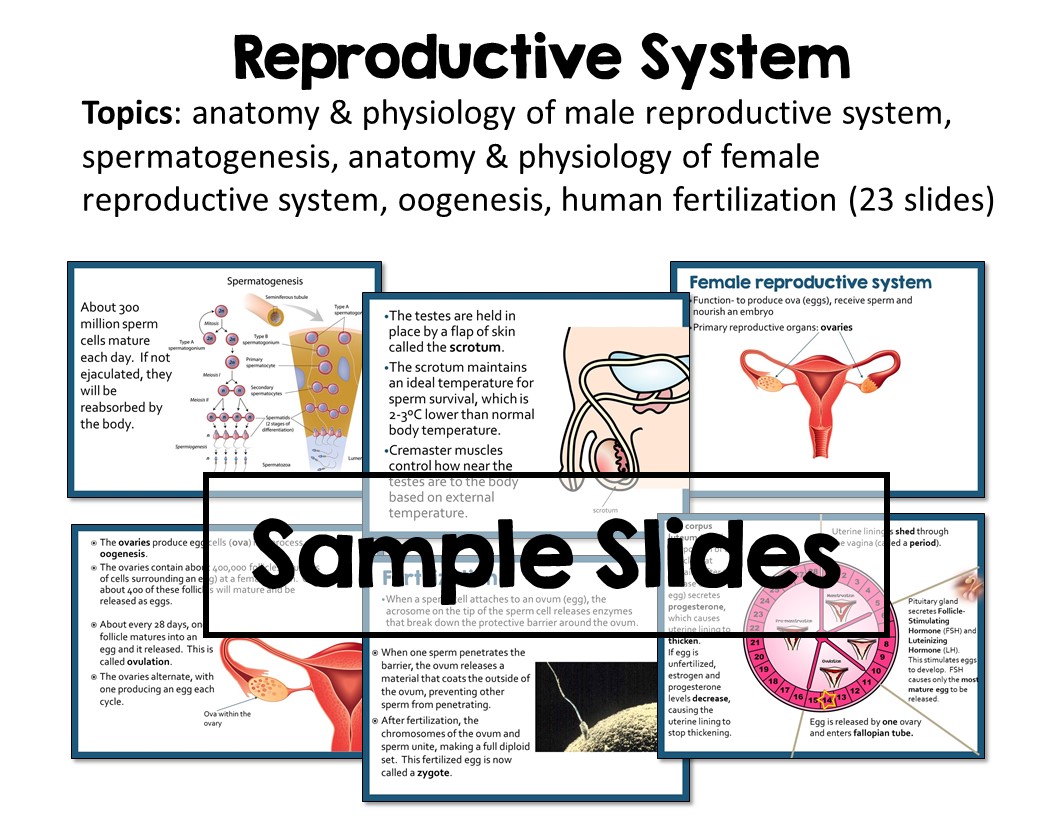
- Reproductive PPT (43 slides)
This resource is designed to fit seamlessly into a high school Anatomy or Advanced Biology curriculum. The text on every PowerPoint slide is editable. Due to copyright restrictions from the clip artists I use, the images on the PowerPoints are not editable. Thanks for your understanding.
**NOTE: These PowerPoints coincide seamlessly with my guided Cornell Notes and my popular Doodle Notes! Your students will love learning in this format.
Topics covered in the PowerPoints:
Introduction to the Human Body:
- Anatomy v. Physiology
- Organization of the body
- Types of tissues (connective, epithelial, muscle, nervous)
Integumentary System:
Functions of the skin, layers of the skin (epidermis, dermis, hypodermis), hair and nails
Skeletal System:
Functions of the skeletal system, axial v. appendicular skeleton, structure of bones, anatomy of a bone, Haversian system, bone cells, ossification, joint structure, types of joints, names of skeletal system bones
Muscular System:
Types of muscle tissue (skeletal, smooth, cardiac), structure of a muscle, actin, myosin, contraction and relaxation, muscle fatigue, tendons, origin v. insertion, names of major muscle groups
Respiratory System:
Function of the respiratory system, nasal cavity, pharynx, larynx, trachea, bronchi, alveoli, lungs, diaphragm, physiology of inhalation v. exhalation, hemoglobin, names of respiratory structures, factors affecting breathing
Digestive System:
Functions of the digestive system, alimentary canal, accessory organs, tissue layers, salivary glands, mouth, teeth, esophagus, bolus, stomach, chyme, small intestine, villi, bile, liver, gallbladder, pancreas, large intestine, rectum
Cardiovascular System:
Function of the cardiovascular system, parts of blood (plasma, erthyrocytes/red blood cells/hemoglobin, leukocytes/white blood cells, platelets), clotting, blood types, donating blood, Rh factor, anatomy & physiology of the heart (pericardium, atria, ventricles, valves), SA node, AV node, blood vessels (arteries, veins, capillaries), diagrams of the major arteries and veins, pulmonary circulation, systemic circulation
Lymphatic System:
Function of the lymphatic & immune systems, lymph capillaries, lymph nodes, lymphocytes, macrophages, thymus, spleen, non-specific immune responses (skin, fever, inflammation), specific immune responses (antigens, T-cells, B-cells, humoral v. cell-mediated immunity), acquired immunity
Urinary System:
Function of urinary system, kidney structure, nephron structure, ureters, bladder, urethra, urine, kidneys’ role in homeostasis
Nervous System:
Function of nervous system, structure of a neuron (axon, dendrites, myelin sheath, Nodes of Ranvier), synapses, types of neurons, physiology of a nerve impulse (resting potential, action potential, neurotransmitters), central nervous system v. peripheral nervous system, anatomy of the brain (meninges, cerebrum, lobes of the cerebrum, thalamus, hypothalamus, midbrain, pons, medulla oblongata, cerebellum), spinal cord, sensory v. motor divisions, reflex arc, anatomy and physiology of the senses (skin, taste, smell, hearing, balance, vision)
Endocrine System:
Function of the endocrine system, hormones, target cells, steroid v. non-steroid hormones, feedback loop, pituitary gland (anterior and posterior), thyroid, parathyroid, pancreas, adrenal glands, gonads
Reproductive System:
- Male Reproductive System- function, testes, scrotum, seminiferous tubules, semen, structure of a sperm cell, epididymis, vas deferens, penis, glands
- Female Reproductive System- function, ovaries, follicles, ovulation, oviducts/Fallopian tubes, uterus, fertilization, ovarian cycle, menstrual cycle
- Human Development & Birth- fertilization, zygote, morula, placenta, blastocyst, fetal development, labor
________________________________________________________________________
⭐ I value your feedback. Please rate this product.


Jasette C. –
This resource saved me so much time when I first started teaching Anatomy & Physiology.
It has been 5 years and still the best purchase I ever made along with the doodle notes from Suburban Science.
Some body systems will not have everything you need based on your state’s standards, while others may have more than you need. However, it’s an excellent starting point and I love that you can edit the text (pictures are not editable).